Pulsed Electromagnetic Field (PEMF) therapy has become increasingly popular among healthcare providers, rehabilitation specialists, professional athletes, and wellness clinics. While many people have heard about PEMF therapy, one of the most common questions remains:
How does PEMF therapy actually work?
Unlike medications that rely on chemical interactions or surgical procedures that physically alter tissue, PEMF therapy works by delivering carefully controlled electromagnetic fields that interact with the body’s natural electrical systems. Researchers have spent decades studying how these electromagnetic pulses influence cellular activity, circulation, tissue repair, and recovery.
In this guide, we’ll explore the science behind PEMF therapy, explain how electromagnetic fields interact with your body, discuss what researchers currently know, and answer some of the most common questions about this non-invasive treatment.
Interested in trying PEMF therapy? Learn more about our PEMF Therapy in Dallas and how it may fit into your personalized treatment plan.
If you’re new to this technology, start with our guide explaining what PEMF therapy is before diving into the science.
The Human Body Is Electrical
One of the easiest ways to understand PEMF therapy is to recognize that the human body functions through electrical communication.
Every second, billions of cells communicate using tiny electrical signals. These signals regulate everything from muscle contractions and nerve transmission to heart rhythm and tissue repair.
Examples include:
- Your brain communicating with muscles
- Your heart maintaining a regular heartbeat
- Nerves transmitting sensations
- Muscles contracting during movement
- Bone cells coordinating remodeling
- Cells exchanging nutrients and waste
Without electrical communication, these processes cannot occur normally.
PEMF therapy is based on the principle of interacting with these naturally occurring electrical processes rather than introducing drugs or invasive procedures.
Understanding Cell Membrane Potential
Every living cell maintains a small electrical charge across its membrane, known as the cell membrane potential.
This electrical difference is essential because it helps regulate:
- Nutrient transport
- Waste removal
- Cellular communication
- Protein synthesis
- Energy production
- Cellular repair
When tissues are stressed or injured, normal membrane function may become disrupted. Researchers have proposed that PEMF therapy may influence these electrical properties, helping support normal physiological function.
It’s important to note that research is ongoing, and the exact mechanisms continue to be studied.
What Are Electromagnetic Fields?
Electromagnetic fields are naturally occurring energy fields generated whenever electricity moves.
Examples include:
- Earth’s magnetic field
- MRI machines
- Household electricity
- Wireless charging devices
- Certain medical therapies
PEMF devices generate low-frequency pulsed electromagnetic fields that pass through clothing and body tissues without causing pain or tissue damage.
Unlike ionizing radiation (such as X-rays), PEMF therapy does not use radiation that damages DNA or cells.
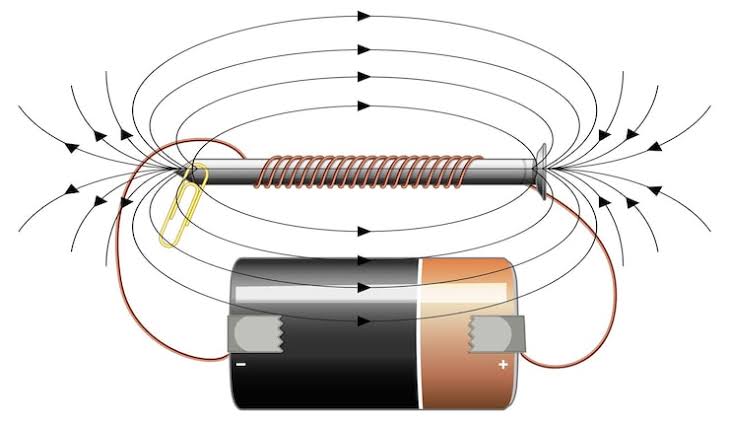
How Does PEMF Therapy Interact with the Body?
When a PEMF device generates a changing magnetic field, that field passes through the body and induces tiny electrical currents within tissues.
These currents are much smaller than those produced by electrical stimulation devices like TENS units.
Researchers believe these induced currents may influence cellular signaling pathways involved in normal physiological processes, including:
- Ion movement across cell membranes
- Nitric oxide signaling
- Blood vessel function
- Inflammatory regulation
- Tissue repair
- Cellular communication
Rather than forcing a biological response, PEMF therapy is thought to support the body’s existing recovery mechanisms.
PEMF and ATP Production
Every cell requires energy to function.
That energy is stored in a molecule called adenosine triphosphate (ATP).
ATP powers virtually every biological activity, including:
- Muscle contraction
- Protein synthesis
- Cell division
- Tissue repair
- Nerve function
Some laboratory studies suggest PEMF exposure may influence cellular energy metabolism and mitochondrial function. While these findings are promising, the degree to which they translate into clinical outcomes depends on the condition being treated and continues to be an area of active research.
PEMF and Circulation
Healthy circulation delivers oxygen and nutrients while removing metabolic waste products.
Researchers have explored how PEMF therapy may influence:
- Microcirculation
- Capillary blood flow
- Tissue oxygenation
- Nitric oxide production
- Vascular function
Improved circulation may help explain why PEMF therapy is often incorporated into rehabilitation and sports recovery programs.
PEMF and Inflammation
Inflammation is a normal part of the healing process, but prolonged or excessive inflammation can contribute to ongoing discomfort and delayed recovery.
Scientists are studying how PEMF may affect cellular signaling pathways involved in the body’s inflammatory response. While more research is needed, PEMF is commonly used in conservative rehabilitation programs that aim to support normal healing and recovery.
PEMF and Bone Healing
One of the most established medical applications of PEMF therapy is in bone healing.
Certain PEMF devices have received FDA clearance for specific uses, such as promoting healing in some nonunion fractures under appropriate medical supervision.
This application has been studied for decades and demonstrates that electromagnetic fields can influence biological processes under specific clinical circumstances.
Why Do Athletes Use PEMF Therapy?
Professional and recreational athletes are continually looking for ways to recover efficiently between training sessions.
PEMF therapy is popular because it is:
- Non-invasive
- Comfortable
- Drug-free
- Passive
- Easy to combine with rehabilitation
Athletes often incorporate PEMF therapy into recovery programs following:
- Strength training
- Endurance events
- Team sports
- Overuse injuries
- Rehabilitation after musculoskeletal injuries
PEMF vs. TENS Therapy
Although both treatments are sometimes grouped together, they work differently.
| PEMF Therapy | TENS Therapy |
|---|---|
| Uses magnetic fields | Uses electrical current |
| No skin electrodes required | Electrodes attached to the skin |
| Designed to influence cellular electrical activity | Primarily used for temporary pain modulation |
| Electromagnetic induction | Direct electrical stimulation |
Each therapy has different clinical applications.
Is PEMF Therapy Scientifically Proven?
The scientific literature surrounding PEMF therapy continues to grow.
Research has examined its use in:
- Orthopedics
- Sports medicine
- Physical rehabilitation
- Pain management
- Bone healing
- Musculoskeletal recovery
The strength of evidence varies depending on the condition being studied. Some applications have stronger evidence than others, and ongoing research continues to refine our understanding of how PEMF therapy may be used most effectively.
Patients should discuss whether PEMF therapy is appropriate for their individual circumstances with a qualified healthcare provider to understand how PEMF therapy is used clinically.
How PEMF Fits Into a Comprehensive Care Plan
At Aspire Health Clinic, PEMF therapy is not viewed as a standalone solution.
Instead, it is integrated into personalized treatment plans that may include:
- Comprehensive chiropractic care to support mobility and recovery
- Massage therapy to help reduce muscle tension and improve recovery
- Spinal decompression for patients with disc-related conditions
- Corrective exercises as part of a proper athletic recovery plan
- Functional nutrition
- HOCATT® sauna therapy
This comprehensive approach aims to address movement quality, joint function, soft tissue health, and overall wellness. Learn more about our PEMF therapy services and how they can complement your recovery plan.
Frequently Asked Questions
PEMF devices generate electromagnetic fields that induce very small electrical currents within tissues. They do not send electrical current directly through the skin like TENS therapy.
No. Most patients describe treatments as comfortable and relaxing.
Unlike some surface-level therapies, magnetic fields can pass through clothing and reach deeper tissues without requiring direct skin contact.
No. Static magnets used in bracelets are different from pulsed electromagnetic field therapy. PEMF devices generate changing magnetic fields under controlled settings.
For most people, PEMF therapy is considered safe when administered appropriately. However, individuals with certain implanted electronic devices or specific medical conditions should consult their healthcare provider before treatment.
During your evaluation, we’ll discuss the PEMF treatment options that best fit your condition and goals.
Conclusion
PEMF therapy is based on a simple but fascinating principle: the human body relies on electrical communication to function.
By delivering carefully controlled pulsed electromagnetic fields, PEMF devices are designed to interact with the body’s natural electrical activity and support normal physiological processes involved in recovery and cellular function.
Although research continues to evolve, PEMF therapy has become a valuable component of many rehabilitation and wellness programs because it is non-invasive, comfortable, and can be combined with other conservative therapies.
If you’re interested in learning whether PEMF therapy may be appropriate for your needs, schedule a PEMF consultation with Aspire Health Clinic.