If you’re considering Pulsed Electromagnetic Field (PEMF) therapy, one of the first questions you’ll likely ask is:
“Is PEMF therapy safe?”
That’s an important question—and one that deserves an evidence-based answer.
PEMF therapy has been used in medical and rehabilitation settings for decades. Certain PEMF devices have received FDA clearance for specific medical indications, such as promoting healing in some nonunion fractures under physician supervision. At the same time, many wellness clinics and rehabilitation providers use PEMF as part of conservative treatment programs for musculoskeletal conditions and recovery.
Like any healthcare intervention, PEMF therapy isn’t appropriate for everyone. Understanding its potential side effects, precautions, and contraindications can help you make an informed decision.
Looking for PEMF therapy in Dallas? Learn more about our PEMF Therapy in Dallas service and how we determine whether treatment is appropriate for each patient.
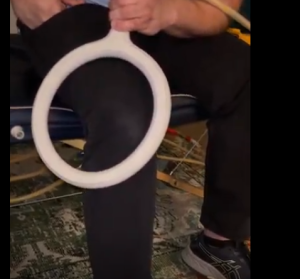
What Is PEMF Therapy?
Before discussing safety, it’s helpful to understand what PEMF therapy actually is.
PEMF stands for Pulsed Electromagnetic Field Therapy, a non-invasive treatment that delivers low-frequency electromagnetic fields to the body. These fields interact with the body’s natural electrical activity and are being studied for their potential role in supporting recovery, circulation, and normal cellular function.
Unlike injections, medications, or surgery, PEMF therapy does not involve tissue damage or invasive procedures.
New to PEMF? Read our guide explaining What Is PEMF Therapy?.
Is PEMF Therapy Generally Considered Safe?
For most healthy adults, PEMF therapy is generally considered safe when administered appropriately by trained healthcare professionals and when the device is used according to the manufacturer’s instructions.
Several factors contribute to its safety profile:
- It is non-invasive.
- It does not use ionizing radiation like X-rays or CT scans.
- It does not require needles or injections.
- Most treatments are comfortable.
- There is typically no recovery time after a session.
However, “generally safe” does not mean appropriate for every individual. A thorough medical history is essential before beginning treatment.
How Does PEMF Therapy Affect the Body?
PEMF devices create pulsed magnetic fields that pass through tissues without causing pain.
These magnetic fields induce tiny electrical currents within the body’s tissues, interacting with normal physiological processes rather than forcing a mechanical or chemical change.
Researchers continue to study how PEMF may influence:
- Cellular signaling
- Microcirculation
- Tissue repair
- Inflammatory pathways
- Cellular energy production
While these mechanisms are promising, the strength of evidence varies depending on the condition being treated.
Learn more about the science behind PEMF therapy.
Does PEMF Therapy Have Side Effects?
Most people tolerate PEMF therapy very well.
When side effects occur, they are generally mild and temporary.
Some individuals report:
- Mild fatigue after treatment
- Temporary soreness
- A feeling of warmth in the treated area
- Temporary lightheadedness
- Temporary increase in symptoms before improvement (sometimes reported during rehabilitation)
These responses are not experienced by everyone and often resolve quickly.
If symptoms persist or worsen, patients should stop treatment and consult their healthcare provider.
Can PEMF Therapy Cause Harm?
When used appropriately, PEMF therapy has a strong safety record.
However, problems may arise if:
- Contraindications are ignored
- Medical devices interfere with treatment
- Treatment is used inappropriately
- Serious medical conditions are self-treated without proper evaluation
This is why an initial assessment by a qualified healthcare provider is so important.
Who Should Not Use PEMF Therapy?
Certain individuals should avoid PEMF therapy or obtain medical clearance before treatment.
Patients with Certain Implanted Electronic Medical Devices
People with devices such as:
- Some pacemakers
- Implantable cardioverter-defibrillators (ICDs)
- Certain neurostimulators
- Certain implanted infusion pumps
may not be appropriate candidates because electromagnetic fields could interfere with device function.
Always consult the physician managing your implanted device.
Pregnancy
Research regarding PEMF therapy during pregnancy is limited.
For this reason, many providers avoid elective PEMF therapy during pregnancy unless specifically recommended by the patient’s obstetric provider.
Certain Active Medical Conditions
Individuals with serious or unstable medical conditions should discuss PEMF therapy with their treating physician before beginning treatment.
Examples may include:
- Certain cardiac conditions
- Active infections requiring medical treatment
- Unexplained swelling or pain
- Recent surgery (unless cleared by the surgeon)
Children
PEMF therapy for children should only be considered under the guidance of an appropriately qualified healthcare provider.
Is PEMF Therapy Safe for Athletes?
Yes, PEMF therapy is widely used in sports medicine and rehabilitation.
Professional athletes and active individuals often use PEMF therapy as part of recovery programs following:
- Strength training
- Running
- Cycling
- Golf
- Tennis
- CrossFit
- Team sports
Because PEMF therapy is passive and non-invasive, it can often be incorporated alongside rehabilitation exercises and other conservative treatments.
Learn more about Athletic Recovery.
PEMF Therapy vs. Other Treatments
One reason PEMF therapy has gained popularity is that it is generally associated with fewer risks than many invasive interventions.
| Treatment | Invasive | Typical Recovery Time |
|---|---|---|
| PEMF Therapy | No | None |
| Cortisone Injection | Yes | Varies |
| Surgery | Yes | Weeks to months |
| Chiropractic Care | No | Minimal |
| Massage Therapy | No | None |
Each treatment has different indications, and the best approach depends on the patient’s diagnosis and goals.
Why Professional Supervision Matters
Although some PEMF devices are available for home use, professional evaluation remains important.
A healthcare provider can determine:
- Whether PEMF is appropriate for your condition
- Whether another treatment would be more beneficial
- If contraindications exist
- How PEMF should be integrated into your overall care plan
At Aspire Health Clinic, PEMF therapy is typically combined with chiropractic care, rehabilitation, massage therapy, or spinal decompression rather than used as a standalone treatment.
Frequently Asked Questions
Certain PEMF devices have received FDA clearance for specific medical indications, such as promoting healing in some nonunion fractures. FDA clearance for one indication does not mean PEMF is approved for every possible condition.
Current evidence does not indicate that appropriately administered PEMF therapy damages healthy tissues.
No. Most patients describe treatment as comfortable and relaxing.
Potentially. Individuals with implanted electronic medical devices should consult both their physician and the device manufacturer before receiving PEMF therapy.
Treatment frequency depends on your diagnosis, goals, and provider’s recommendations. Some rehabilitation programs involve multiple sessions per week, while others recommend less frequent treatment.
In many cases, yes. However, older adults often have more medical conditions or implanted devices, making an individual evaluation especially important.
Conclusion
For most individuals, PEMF therapy is considered a safe, non-invasive treatment when administered appropriately and after a thorough evaluation.
Like any healthcare intervention, it is not suitable for everyone. Individuals with implanted electronic devices, certain medical conditions, or other contraindications should consult their healthcare provider before beginning treatment.
When integrated into a personalized treatment plan, PEMF therapy may play a valuable role in supporting recovery, mobility, and overall musculoskeletal health.
If you’d like to learn whether PEMF therapy is appropriate for your needs, visit our PEMF Therapy in Dallas page or schedule a consultation with Aspire Health Clinic.