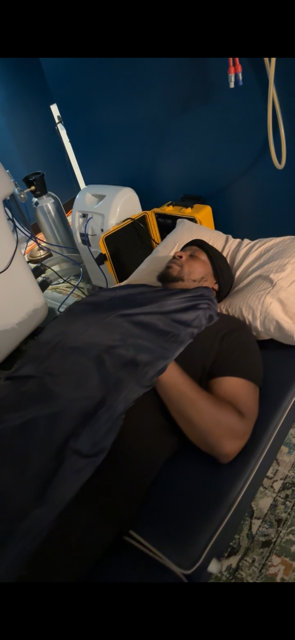
Spinal decompression is a hands-off treatment that uses a computer-controlled table to gently and repeatedly stretch the spine. The goal is to ease pressure on irritated discs and the nerves that sit beside them. The people most likely to be good candidates are those whose pain traces back to a bulging disc, a herniated disc, sciatica, or worn discs, and who have not found lasting relief from rest, medication, or basic exercises. Not everyone qualifies, and a thorough exam is what settles the question.
If you are researching spinal decompression therapy in Dallas, TX, this guide explains the mechanics in plain language, what a session feels like, who tends to do well, and who should skip it.
What Is Spinal Decompression?
The term spinal decompression is a broad label. Cleveland Clinic’s overview of spinal decompression therapy explains that it covers a range of approaches, from non-invasive options to surgical procedures. This article focuses on the nonsurgical version offered in many chiropractic clinics, where a motorized table applies controlled traction to the low back or neck.
Nonsurgical decompression involves no incisions, no anesthesia, and no injections. You stay clothed, rest on a padded table, and the equipment does the stretching in a measured pattern.
How Does Spinal Decompression Work?
Picture your spine as a stack of bones with a soft, cushion-like disc between each pair. When a disc bulges or its tough outer wall weakens, the gel-like center can press against a nearby nerve. That pressure is what produces sharp, burning, or shooting symptoms that can travel into a hip, leg, shoulder, or arm. Our page on herniated disc care in Dallas covers the condition itself in more depth.
Decompression tries to change that mechanical situation in three ways:
- Controlled pulling. A harness holds your pelvis for low back treatment, or a support cradles your head and neck for cervical treatment. The table then applies a precise amount of traction.
- On and off cycles. Instead of one long, steady pull, the machine alternates between tension and relaxation. This rhythm is designed to keep the surrounding muscles from tightening up and fighting the stretch.
- Space and pressure changes. The leading explanation is that the stretch widens the gaps between vertebrae and lowers pressure inside the disc. That may reduce the push on the nerve and improve the movement of fluid and nutrients in and out of the disc.
It is worth being straightforward about one point. Researchers are still working out how much of the benefit comes from changes in the disc itself and how much comes from muscle relaxation and calmer nerves. Study results have been mixed, and responses differ a lot from person to person. That is exactly why a hands-on evaluation matters more than any promise of a guaranteed outcome.
What Happens During a Session?
Your first visit begins with questions and an exam, not the table. Once you are cleared for treatment, a typical session looks like this:
- You lie face up, face down, or sideways in comfortable clothing.
- The harness or neck support is fitted snugly.
- The table runs its cycles while you rest, usually for 10-12 minutes.
- Most people describe a firm but tolerable stretch. Sharp pain is not expected, and you should speak up right away if you feel it.
Mild muscle soreness after the first session or two is common and usually fades quickly. Many people head straight back to work afterward. Decompression is often combined with other care, such as chiropractic adjustments, soft tissue work, or home exercises.
How Many Visits Does It Usually Take?
Treatment usually unfolds across several weeks. The exact schedule depends on your diagnosis, how long symptoms have been present, and how your body responds. A sound plan includes check-ins along the way. If your symptoms have not budged after a reasonable stretch of visits, the plan should be revisited rather than continued on autopilot.
Who Is a Good Candidate for Spinal Decompression?
You may be a good fit if several of these sound familiar:
- You have a diagnosed or suspected bulging or herniated disc, in either the low back or the neck.
- You have leg pain, numbness, or tingling that follows a disc-related pattern, such as sciatica.
- You notice nerve-type symptoms from compression, like a pinched nerve that flares with sitting, bending, or turning your head.
- You live with ongoing low back pain or neck pain tied to disc wear or irritation.
- Your symptoms have lasted beyond a few weeks despite rest, over-the-counter pain relievers, and gentle stretching.
- You would like to try a conservative option before considering surgery.
What matters most is whether your pain pattern, your exam findings, and your imaging (if you have it) all point to the same source.
Who Should Not Have Spinal Decompression?
Traction forces are generally avoided, or used only with a physician’s clearance, when someone has:
- Pregnancy
- A spinal fracture
- Severe osteoporosis
- Metal implants, fusion hardware, or a recent spine surgery in the area your considering decompression for
- A spinal infection or a tumor involving the spine
- Marked spinal instability
Certain symptoms also call for urgent medical attention rather than any clinic treatment. Go to an emergency room if back pain comes with new trouble controlling your bladder or bowels, numbness in the groin or inner thighs, leg weakness that is quickly getting worse, a fever, or follows a major fall or accident.
How Is Decompression Different from a Chiropractic Adjustment?
An adjustment is a hands-on technique aimed at joint movement. Decompression is a machine-guided stretch aimed at disc and nerve pressure. They address different parts of the problem, which is why many people who receive chiropractic care in Dallas, TX are offered both within the same plan. Some plans also add supportive therapies, such as PEMF therapy, during the recovery period.
At Aspire Health Clinic, decompression is one tool inside broader pain and injury care in Dallas, TX. If you would like to understand the other piece first, read about chiropractic care at our clinic.
What to Expect at Your First Visit with a Dallas Chiropractor
The visit begins with your story: when symptoms started, what makes them better or worse, and what you have already tried. Next comes a physical exam that checks posture, movement, reflexes, muscle strength, and sensation. If you have an MRI or X-ray, bring it along.
If decompression looks like a fit, you will hear the plan and a realistic timeline. If it is not a fit, a good clinician will tell you so and point you toward a better route, which may include a referral to a spine specialist.
Frequently Asked Questions
Does spinal decompression hurt?
It should feel like a firm, steady stretch, not a sharp or stabbing pain. If something feels wrong during a session, tell the clinician immediately so the settings can be adjusted or the session stopped.
Is spinal decompression the same as traction?
They are close relatives. Traditional traction applies a fixed pulling force. Decompression tables use computer-guided cycles that vary the force and can be tailored to the region being treated.
Can spinal decompression cure a herniated disc?
No one can promise a cure. Decompression may help ease symptoms linked to disc pressure for some people, but results vary and some people do not respond. An honest plan sets expectations and rechecks progress along the way.
How soon will I notice a change?
Some people feel a shift within the first few visits, while others improve gradually over several weeks. Your response also depends on how long the problem has been building and what is driving it.
Is spinal decompression safe?
When patients are screened properly, it is generally considered low risk, and mild soreness is the most common complaint. Screening is the key step, because certain conditions make traction a poor choice.
Do I need an MRI before starting?
Not always. Your history and exam guide that decision. If you already have imaging, bringing it helps the clinician see the full picture.
Can I get chiropractic adjustments and decompression in the same plan?
Yes, many care plans combine them, since they target different parts of the problem. Your clinician will decide on the order and timing based on your exam.
Will insurance cover spinal decompression?
Insurance does not cover non-surgical spinal decompression therapy.
Find Out If You Qualify
The fastest way to learn whether you are a candidate is a proper evaluation. You can read more about spinal decompression therapy in Dallas, TX at Aspire Health Clinic, or request an appointment to be examined by our team in North Dallas, near Lake Highlands.
Aspire Health Clinic 10670 N Central Expressway, Suite 490, Dallas, TX 75231 Phone: 214-234-0000
This article is for educational purposes only. It does not replace advice from a licensed healthcare professional and is not intended to diagnose or treat any condition.